
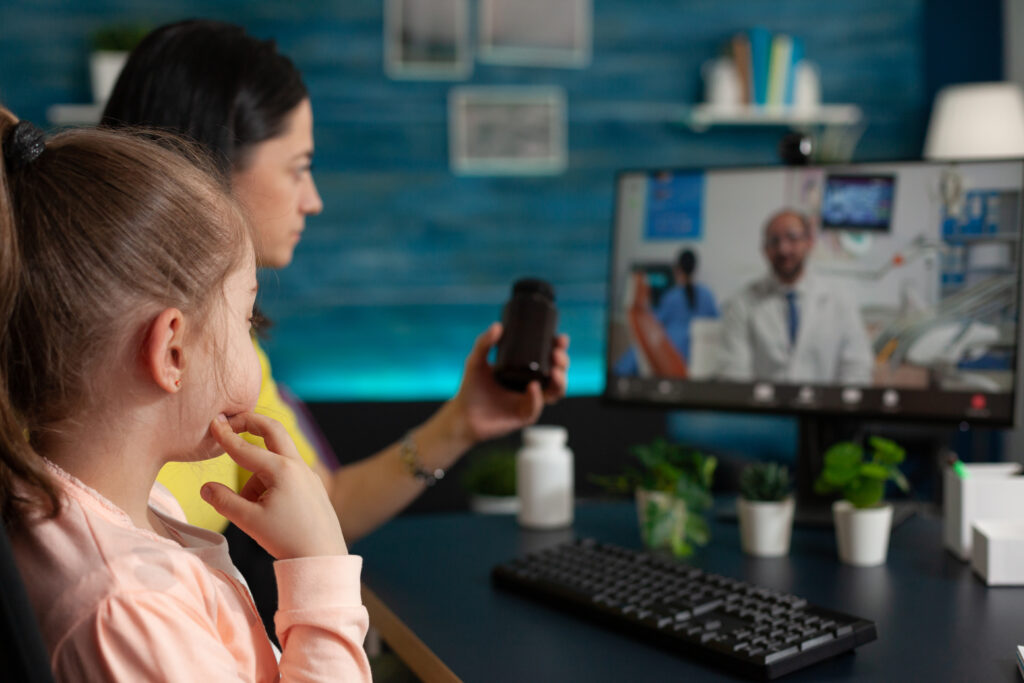
Discover telehealth addiction counseling
When you or your loved one faces the challenges of addiction and behavioral health issues, finding a treatment option that fits your circumstances can make all the difference. Telehealth addiction counseling is a method of delivering professional, evidence-based support over secure online platforms, allowing you to access care wherever you are. This approach combines the expertise of licensed counselors, therapists, and other specialists with the convenience of virtual sessions, giving you the opportunity to pursue recovery without uprooting your entire routine.
At Daylight Wellness Group, we understand the fear and uncertainty you may experience when looking for addiction and mental health treatment. Our telehealth counseling for substance use disorders or co-occurring conditions is designed to empower you. It also pays attention to the unique challenges people face, whether they stem from daily stressors, family obligations, or prior treatment experiences. By offering a comprehensive care model that addresses both mental health and addiction simultaneously, we aim to ensure you gain the support necessary for lasting recovery.
In the sections below, you will discover essential information about telehealth addiction counseling, its benefits, how it compares to in-person approaches, and the legal considerations you might need to keep in mind. You will also learn how Daylight Wellness Group integrates holistic methods, individualized plans, and expert medication management to help you or someone you care about access the care needed for a healthier, more fulfilling life.
Understand telehealth addiction counseling
Telehealth addiction counseling focuses on delivering therapy and recovery support through secure video or phone sessions, along with online communication tools. By integrating technology, it breaks geographic barriers and brings treatment into your home or preferred private space. Many individuals find that telehealth fosters a more comfortable and supportive environment, as it allows for flexible scheduling and reduced stigma.
The role of technology
Modern technology plays a significant part in telehealth counseling. Video conferencing, messaging platforms, and remote monitoring tools make it possible for specialists to continually assess your needs, develop tailored treatment programs, and monitor progress. According to research from the US Department of Health and Human Services (HHS), telehealth can be part of an integrated approach to treating substance use disorders. Through scheduled virtual appointments, you can easily connect with a counselor who understands the complexities of addiction and mental health, receiving ongoing support even if you live far from a treatment facility.
Connecting with specialists
In some cases, telehealth expands your options for experts. Rather than limiting you to counselors or physicians in your immediate area, you can meet with highly trained professionals in addiction medicine, psychotherapy, or psychiatry located across the country. This opportunity ensures individualized plans that address your specific circumstances, such as co-occurring disorders or the need for addiction medication management. If you are navigating complex issues such as depression, anxiety, or trauma, telehealth may incorporate remote visits with psychiatrists, psychologists, and wellness coaches to provide the supportive environment needed for a successful recovery.
Supportive environment from afar
Telehealth addiction counseling also ensures you have access to a secure space where you can speak openly about your struggles. Many people are more inclined to share sensitive details from the privacy of their home, which may accelerate emotional breakthroughs. This sense of privacy contributes to building trust between you and your counselor, allowing for deeper discussion about triggers, emotional barriers, and ways to build healthy coping strategies.
By removing logistical complexities, telehealth can help you engage in consistent treatment. It offers individualized attention through scheduling that respects real-life obligations, like work or child care. Frequent and meaningful engagement often leads to better outcomes, as you are less likely to postpone or miss essential therapy sessions.
Recognize the benefits
Choosing telehealth addiction counseling can transform the way you experience treatment. Whether you are new to therapy or transitioning from a traditional rehab program, you will find several noteworthy advantages.
Enhanced accessibility
One of the most significant barriers to traditional in-person programs is location. You might be far from the nearest treatment center, or you could rely on public transportation. Telehealth makes it possible to incorporate drug addiction treatment or alcohol addiction treatment into your life without worrying about extensive travel. According to an analysis by the Impact Outpatient Program, telehealth eliminates the need for individuals to commute and reduces disruptions to daily routines (Impact Outpatient Program).
Because sessions occur remotely, you can schedule them around your existing responsibilities. Whether you work full-time or serve as a caretaker at home, appointment times can be carefully chosen. This flexibility is especially beneficial if you require specialized services such as mental health medication management to address co-occurring disorders, depression, or anxiety.
Greater flexibility
A common reason people avoid seeking help for addiction or mental health conditions is the fear of social stigma. Telehealth helps lessen this concern by allowing you to pursue counseling discreetly. Remote sessions can fit around your other daily commitments, letting you live your life while consistently receiving the professional guidance you need to progress.
This added flexibility comes with fewer associated costs. You might save on transportation, child care, or time off work, which can be crucial when finances are already strained. Telehealth-based programs, such as individual counseling, also maintain the structured environment of traditional therapy. With the right counselor, you can develop coping strategies, set short- and long-term goals, and track your improvement over time, all from a familiar setting.
Broader specialist reach
Telehealth counseling also extends your reach to experts that might not be available locally. For instance, if you need support for a specific co-occurring disorder or a certain therapeutic style like trauma informed counseling, you can work with clinicians specialized in those areas, regardless of their location. Research from Absolute Advocacy shows that demand for telehealth substance abuse counselors is growing, allowing more people to access experienced professionals across state lines.
This broader reach fosters a more comprehensive care strategy. You can combine telehealth addiction counseling with family support therapy addiction sessions, or participate in specialized programs for issues such as anxiety or depression. If you need medication, a remote psychiatrist can prescribe and then monitor effectiveness using video check-ins. All these elements work together to support your recovery and mental well-being.
Compare telehealth vs in-person
It may help to compare telehealth addiction counseling and in-person treatment to determine which model best meets your needs. While both approaches utilize evidence-based therapy, each format has distinct characteristics around environment, accountability, and interpersonal interaction.
In-person advantages
An in-person setting often provides immediate access to on-site teams, including nurses, counselors, case managers, and psychiatrists, all located under one roof. If you need daily supervision or medical detox, an in-person environment may prove beneficial. For those living near specialized programs, in-person services may foster peer connections and group therapy structures that encourage mutual support throughout recovery.
Some people also prefer the feeling of being physically present with their counselor. Body language, facial expressions, and other nonverbal cues may be easier for both parties to interpret. Moreover, programs such as behavioral health treatment or substance use disorder treatment offered on-site can involve holistic modalities (yoga, meditation, art therapy) that are more comfortable to practice in person.
Telehealth advantages
On the other hand, telehealth excels at providing privacy, convenience, and flexible scheduling. If you live in a rural area or lack reliable transportation, telehealth facilitates access to expert care. By removing the drive to a clinic, telehealth ensures you do not miss out on therapy when faced with scheduling conflicts or personal obligations.
Furthermore, remote appointments allow continuous, consistent engagement, even if your circumstances change temporarily. Suppose you need to travel for work. You can still attend sessions, ensuring you remain on track with your recovery goals. Lastly, telehealth can reduce stigma and create a more relaxed atmosphere, which is beneficial for individuals who prefer anonymity.
Understand the legal considerations
Before committing to telehealth addiction counseling, it is wise to familiarize yourself with relevant laws and regulations, especially around patient privacy, licensure, and confidentiality.
Patient privacy
Privacy remains a top priority in telehealth. Health professionals remain bound by the same privacy regulations, such as HIPAA, when delivering virtual care. Encrypted software platforms protect your personal information from unauthorized access, ensuring confidentiality and data security. A study published in PubMed Central underscores the need for robust legal frameworks around autonomy, consent, and privacy in telehealth services (PubMed Central).
If you have specific concerns about data use or health records, you can always ask your counselor to explain the measures they follow. You can also confirm that your internet connection is password-protected and that you take calls or video sessions in a private setting.
Reimbursement challenges
Insurance coverage for telehealth addiction counseling has increased in recent years, but it may vary by location and insurer. Some states require telehealth sessions to be covered similarly to in-person sessions, while others have limited coverage for remote care. If you have health insurance through a provider that supports mental health services, check your plan for telehealth benefits. Programs like medicare mental health provider or medicaid mental health provider sometimes include partial or complete coverage for telehealth-based addiction treatment.
Of course, exact fees and covered services can differ from one policy to another. Finding a counselor who is in-network saves you considerable costs. Always discuss billing details with your chosen provider before starting virtual sessions to avoid unexpected expenses.
Explore our integrated approach
At Daylight Wellness Group, we believe that sustainable recovery goes beyond just treating symptoms. Our telehealth services integrate multiple dimensions of care, including therapy, counseling, and medication management, so you can strive toward overall wellness in a steady, personalized manner. We combine supportive resources to address psychological, emotional, and behavioral challenges that commonly come with addiction.
Holistic and evidence-based methods
Our commitment to your well-being starts with a blend of holistic practices and proven clinical strategies. When you reach out to us for telehealth addiction counseling, you also gain access to evidence based therapy that examines the root causes of addiction. Techniques might include cognitive behavioral therapy, motivational interviewing, and dialectical behavior therapy, interwoven with holistic mental health measures such as mindfulness and stress reduction. By acknowledging the link between emotional health and recovery, we aim to give you a comprehensive care plan that fosters growth and healing.
We also extend specialized services if you are struggling with other emotional or mental health conditions. For instance, you can receive remote anxiety treatment services, depression treatment services, or bipolar disorder treatment. These options enable you to address issues holistically while pursuing sobriety or reduced substance use.
Customized treatment for individual needs
No single strategy works for everyone. That is why Daylight Wellness Group personalizes each treatment plan. In doing so, we carefully assess your current circumstances, medical history, and personal goals. If you have overlapping mental health concerns, our co occurring disorders treatment or dual diagnosis treatment programs provide a well-rounded avenue for recovery.
Likewise, if you rely on medication to manage depression, anxiety, or withdrawal symptoms, our telehealth platform grants you seamless access to scripts and refills, guided by licensed experts. Through virtual psychiatric evaluations, we can determine the appropriate course of medications. This might mean leveraging medication assisted treatment for opioid addiction or medication management depression anxiety for mood disorders. With consistent monitoring, we can adjust dosages or switch prescriptions as needed to optimize your journey.
Additional services for comprehensive support
If you need enhanced structure in your day-to-day life, our team can help coordinate case management mental health, ensuring you receive the right resources month by month. We also facilitate aftercare planning mental health, helping you smoothly transition from intensive therapy to less frequent sessions, community support, or recovery support groups.
Should you wish to involve your family in the healing process, we offer family counseling mental health. This element promotes open communication and shared understanding about addiction, helping loved ones become allies in your recovery. For additional emotional support and empathy from peers, consider our peer support addiction counseling. Daylight Wellness Group also champions a non judgmental treatment environment, ensuring you feel heard, validated, and empowered each step of the way.
FAQs about telehealth addiction counseling
Below are five of the most frequently asked questions about telehealth counseling for addiction and mental health. If you need more clarity or wish to discuss specific concerns, our team at Daylight Wellness Group is here to help.
- How do I know if telehealth addiction counseling is right for me?
Telehealth works best for individuals who want professional, evidence-based assistance with minimal disruption to their daily life. If you have a stable internet connection, value privacy, and can benefit from flexible scheduling, then virtual treatment can be an excellent fit. However, if you require intense medical supervision or are in a crisis, you may be better served by short-term in-person intervention. - Can telehealth counseling really replace face-to-face interaction?
Research suggests that telehealth can be as effective as in-person treatment for many individuals seeking mental health and addiction support (Journal of Psychiatric Research). You still speak with your counselor, express emotions, and learn coping strategies, just as you would in a physical office setting. The only difference is the format, which many people find more convenient and less intimidating. - Are my telehealth sessions confidential and secure?
Yes. Legitimate telehealth providers use HIPAA-compliant, encrypted platforms that keep your information private. At Daylight Wellness Group, we take additional steps to ensure secure communication. We uphold strict data protection policies, so your personal details and counseling conversations remain confidential. - Does insurance cover telehealth addiction counseling?
Coverage depends on your specific insurance plan and location. Some states mandate that telehealth receives similar coverage as in-person services, while others still limit remote treatment. It is always best to verify coverage details with your insurance provider. Our administrative team can guide you through any insurance-related questions, including insurance accepted mental health details. - How often will I have virtual sessions?
Frequency is typically based on your individual needs. Some people benefit from weekly check-ins, while others do well with sessions every two weeks. You may also have special intensive programs at the start of treatment, then shift to a less frequent schedule later on. Our approach remains flexible to accommodate changes in your symptoms, personal life, or treatment goals.
Conclusion and next steps
Moving forward with telehealth addiction counseling can help you transform your life at a comfortable pace. Whether you are dealing with substance use issues, co-occurring mental health conditions, or lingering emotional scars, this flexible modality offers consistent engagement without many of the logistical hurdles associated with in-person care. By taking advantage of online appointments and individualized treatment strategies, you have the chance to dismantle old patterns and replace them with healthier, sustainable habits.
At Daylight Wellness Group, we recognize that a supportive environment and tailored treatment programs are essential for lasting recovery. Our integrated approach includes evidence-based therapies, medication management, and holistic tools, ensuring that your mind and body receive comprehensive care. If you or your loved one is ready to begin, we stand prepared to help you find renewed hope and purpose.
Contact us to learn how our telehealth mental health services can harmonize with your daily commitments, or explore additional options like psychiatric evaluation outpatient, addiction counseling, and behavior modification therapy to find the best path forward. Your recovery journey is yours to shape, and with the right guidance, you can reclaim the life you deserve.