Understand recovery support groups
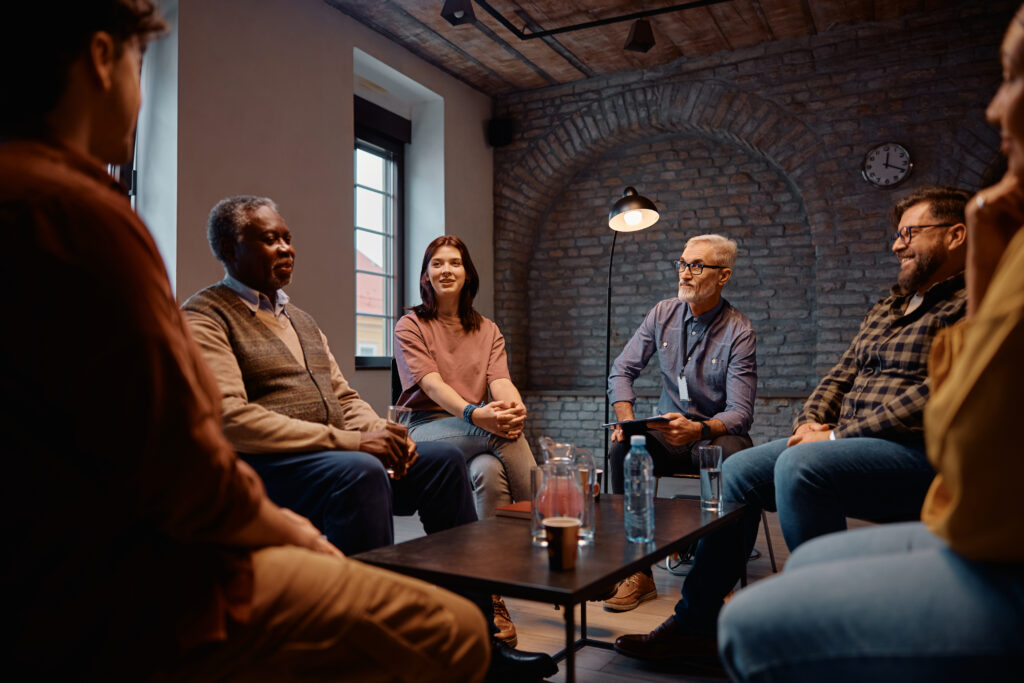
Recovery support groups are a powerful tool for maintaining long-term wellness if you are struggling with addiction, mental health challenges, or a combination of both. By joining these groups, you surround yourself with peers who share in similar experiences and are ready to provide empathy, accountability, and understanding. Studies show that participating in such supportive communities can significantly improve outcomes for sobriety and overall mental well-being. According to MAT Recovery Centers, individuals who engage in group-based recovery efforts tend to have a reduced risk of relapse and improved ability to face life’s challenges without turning to substances.
At Daylight Wellness Group, our commitment to your recovery goes beyond standard treatment approaches. Our programs recognize that overcoming addiction and mental health issues often demands more than one-on-one therapy. Recovery support groups offer the mutual support necessary for lasting recovery. You have an opportunity to openly express your emotions, learn coping strategies, and celebrate victories in a dedicated space that fosters trust and understanding. This sense of belonging can be an essential cornerstone in your journey toward sustained healing.
What makes group support unique
Many people wonder why group-based interventions are integral in the broader continuum of care. Unlike self-help attempts or isolated therapy, support groups harness the power of shared experiences. Everyone who attends a group struggles with a common enemy, be it drug addiction, alcohol misuse, or mood disorders. By hearing from peers, you realize that you are not alone in the fight. This peer-based model promotes a feeling of unity and offers new perspectives on how to tackle emotional and behavioral roadblocks.
Moreover, recovery support groups often serve as a forum where participants hold one another accountable. In the best cases, members gently remind each other of their goals and encourage a proactive strategy for regaining control of their lives. Research compiled by NCBI indicates that peer mentorship and peer-led sessions significantly reduce relapse rates while improving self-efficacy. In other words, you gain a strong belief in your own capacity to achieve and maintain sobriety.
Emotional reinforcement in groups
One of the most impactful aspects of group-centered programs is the supportive environment itself. When you disclose something difficult, participants can reassure you that the feelings are valid and part of the healing process. This acceptance goes far in diminishing shame and isolation, two factors that often impede progress in recovery. Many men, for example, struggle with society’s expectations of stoicism and emotional control. Through support groups, you can learn to express vulnerability in a constructive way.
If mental health concerns such as depression, anxiety, or trauma complicate your path, hearing from others who share these experiences helps normalize your own feelings. This sense of normalcy is reinforced by witnessing how your peers cope with setbacks, develop healthier habits, and sustain hope for the future. By living these principles within a group, you can better translate them into daily practice, leading to meaningful improvements in your outlook and behavior.
Explore different group formats
Recovery support groups come in multiple formats, each providing a distinct atmosphere and approach. Whether you are exploring a 12-step community or a secular, evidence-based alternative, there is likely a group style that resonates with your priorities and comfort level. Finding the right fit can make a significant difference in how steadily you can sustain progress.
Twelve-step groups
Alcoholics Anonymous (AA) and Narcotics Anonymous (NA) are two of the most famous 12-step programs. They promote a structured plan for recovery, centering on the idea of surrendering to a higher power. While 12-step programs were originally designed around spiritual principles, many groups now adopt more flexible language to accommodate diverse beliefs. According to Recovery Answers, the benefits of 12-step programs include strong community bonds, increased abstinence rates, and ongoing support systems that members can rely on for the long term. If you do not identify with the concept of a traditional higher power, there are variations within these communities that adjust the language to fit your worldview.
SMART Recovery
SMART Recovery caters to individuals who prefer a more secular, cognitive-behavioral framework. SMART stands for Self-Management and Recovery Training, an approach that helps you cope with cravings and identify the root causes of harmful behaviors. As AddictionHelp notes, these meetings often incorporate discussions around self-empowerment and understanding addiction as a behavioral issue, rather than relying on spiritual principles. SMART Recovery leans heavily on practical problem-solving steps and fosters skills you can apply to everyday life, such as setting goals, improving communication, and building resilience.
Moderation Management
For certain individuals primarily focused on alcohol misuse, Moderation Management (MM) offers a unique pathway. Rather than mandating complete abstinence, it allows participants to set personalized goals that might involve cutting back or eliminating alcohol entirely. If you are uncertain whether lifelong sobriety is your ultimate goal, MM can serve as a stepping stone to deeper engagement in more intensive programs. According to AddictionHelp, Moderation Management encourages education, self-awareness, and behavioral modifications that gradually shift your relationship with alcohol.
Peer-led or specialized groups
You can also find peer-led initiatives focusing on specific demographic needs. For example, gender-specific support groups can be beneficial if you prefer to discuss challenges relevant to men’s experiences, such as the emotional pressures of fatherhood, workplace stress, or the societal expectation to “tough it out.” At Daylight Wellness Group, we recognize how vital it is for men to find safe spaces to talk candidly. Our offerings can include men-centered options, helping you build rapport and camaraderie with others who have faced similar challenges. Engaging with family support therapy addiction can also be critical, as families can learn to collaborate in meaningful ways and provide a consistent support network.
Find lasting benefits
When you join a recovery support group, you often discover benefits that are far-reaching, extending beyond your immediate goal of addiction cessation. In fact, many individuals who participate in these communities also experience improvements in mental health, relationships, and overall life satisfaction.
Accountability and shared motivation
Members in recovery support groups routinely check in with one another about progress, setbacks, and personal victories. This built-in network of accountability can help you push through difficult days by reminding you that your progress matters not only to yourself but also to those rooting for you. Having people who genuinely care about your achievements can be transformative if you have felt alienated in the past. Sharing updates, volunteering to help newcomers, and celebrating milestones together fosters an uplifting cycle of motivation.
Reduced isolation and stigma
Isolation can be particularly damaging for anyone grappling with addiction or mental health issues. The fear of judgment often keeps you from seeking help. However, group sessions effectively lower that barrier, letting you interact with people who acknowledge your strengths while showing compassion for your struggles. According to NCBI Bookshelf, support groups were established on core principles of acceptance, honest sharing, and mutual responsibility. This foundation tackles the stigma that sometimes isolates men and women alike, demonstrating that your story is valid and deserving of recognition.
Coping strategies and new perspectives
Hearing about different recovery journeys may introduce you to creative solutions you have not yet encountered. Someone might share a healthy coping strategy to manage stress, such as mindfulness exercises or journaling, that resonates with you. Another group member might demonstrate how to handle cravings or urges through role-playing scenarios. Daylight Wellness Group encourages adopting diverse techniques, including individual counseling, drug addiction treatment, or telehealth addiction counseling, to build a robust foundation for a healthier lifestyle.
Building resilience for long-term wellness
Recovery support groups do more than simply address immediate crises. They help you build resilience, a core attribute that can diffuse stress, anxiety, and depression over the long haul. The emphasis on communal growth creates a space where you can regularly reflect on your progress, identify emerging challenges, and refine your coping methods. Over time, these small continuous improvements merge, resulting in a big-picture transformation that can keep you on a steady path toward lasting sobriety.
How Daylight Wellness Group supports you
Daylight Wellness Group understands that healing looks different for every individual. Our emphasis on holistic mental health care means combining evidence-based interventions, personalized treatment planning, and emotionally supportive resources in one comprehensive package. With the variety you need, from behavioral health treatment to co occurring disorders treatment, our programs equip you with the tools necessary to not only achieve sobriety but also nurture your personal growth.
Integrating group support with professional care
Rather than viewing support groups as a standalone resource, we integrate them within a broader clinical context. This integration allows you to benefit from a continuum of services: you might begin with an assessment via psychiatric evaluation outpatient, proceed to medication management depression anxiety, and simultaneously join a community-based group session. We believe that complementary approaches firmly reinforce one another, and we encourage you to explore each avenue for the best ultimate outcome.
Emphasis on empathy and empowerment
We value an empathetic environment where you feel understood, never judged. The professionals at Daylight Wellness Group see the intricate layers of your situation—family dynamics, social influences, medical history—and build your care plan accordingly. From the moment you connect with our staff, the entire process is framed through a lens of compassion and optimism. As with peer-led groups, our goal is to reduce stigma. Through programs like family counseling mental health, we can also involve loved ones, helping them advocate and empathize with your challenges.
Peer support and specialized group sessions
Recognizing the efficacy of shared experiences, we also offer specialized sessions designed to bring peers together. For instance, if you need to work on deeper interpersonal issues, family support therapy addiction might help you and your family members foster better communication. Besides, if you are juggling a dual diagnosis or struggling with anxiety, you can receive targeted interventions and find others who connect with what that experience entails. Engaging in group forums such as peer support addiction counseling strengthens your resolve and motivates you to keep striving for success.
Resources for continuing care
Once you have established a firm foothold in your recovery, Daylight Wellness Group remains committed to your progress by offering aftercare planning mental health. We help you organize future steps that maintain the momentum you have built, such as forging new friendships, staying involved in group meetings, or returning for booster counseling sessions. With thorough aftercare support, you can preserve the hard-earned stability you achieved in treatment, which is vital in preventing relapse.
Embrace evidence-based methods
If you want to find a path that is grounded in demonstrated efficacy, you can choose from a multitude of evidence-based therapies. By aligning proven clinical methods with the power of recovery support groups, Daylight Wellness Group creates a robust, multilayered strategy for healing. Modern addiction and mental wellness research highlight several interventions that, when combined with group-based support, increase your likelihood of long-term success.
Cognitive behavioral therapy
Cognitive behavioral therapy (CBT)—similar to techniques employed in SMART Recovery—helps you identify harmful thought patterns fueling destructive behavior. You learn to spot triggers, reframe negative beliefs, and systematically practice healthier responses. When paired with group support, CBT’s effect becomes especially potent because you are simultaneously practicing these new coping strategies and receiving encouragement from peers. This synergy between personal insight and caring peer validation shapes a nurturing environment for personal transformation.
Medication-assisted treatment
For many individuals, medication can be a critical aspect of recovery, particularly for opioid or alcohol dependence. Medication assisted treatment (MAT) may reduce cravings, minimize withdrawal symptoms, and improve your overall ability to participate in group sessions. Combined with an engaged support group, you can better adhere to your medication regime and remain encouraged by people who appreciate your journey. According to SAMHSA, peer support workers can be a key influence in helping you stay motivated to take advantage of all MAT can offer, from improved retention in treatment to a lower risk of relapse.
Holistic therapies and wellness
You may gain added benefits by layering in holistic approaches. Mindfulness, art therapy, and fitness regimens can contribute a sense of calm or clarity to the challenging road ahead. Incorporating these methods alongside group work promotes mind-body wellness as an integral part of recovery. If anxiety severely impacts you, anxiety treatment services at Daylight Wellness Group can address clinical symptoms while your peers help bolster everyday self-care routines.
Measuring progress and outcomes
One of the best features of evidence-based recovery is measurement. Evaluations at scheduled intervals provide insight into how well each component of your treatment is working. If you need a medication adjustment or a new type of counseling, we can modify your plan. The combination of professional oversight and group feedback means that you are never alone in assessing your progress.
Frequent questions about support groups
Below are some of the most common inquiries people have when considering recovery support groups. Understanding these concerns may give you the reassurance and clarity you need to take the next step.
- What if I feel nervous about sharing personal experiences in a group?
Feeling nervous is completely natural, especially if you’re new to group settings. You are free to observe until you become more comfortable. Over time, you will see that almost everyone feels some level of vulnerability. You can share at a pace that feels right, and you are never required to discuss anything you are not ready to address. - Are recovery support groups only for severe addiction?
Absolutely not. Recovery support groups also help individuals tackling mental health concerns or seeking healthier coping strategies in general. Some people attend these groups as a supplement to mental health treatment. The community aspect ensures support at varying stages, from early concerns through long-term recovery maintenance. - Should I do therapy or join a group first?
This depends on your personal circumstances. Some individuals start with individual counseling to build a foundation and then transition to a support group for continued improvement. Others prefer to begin with group sessions for immediate peer encouragement. In many situations, combining both works best. Daylight Wellness Group can guide you in choosing a path that aligns with your goals and comfort. - Is online attendance as effective as in-person sessions?
Online support groups can be highly effective, especially if accessibility or time constraints limit your ability to travel. You can maintain regular attendance through telehealth addiction counseling and virtual psychiatric evaluations. While in-person gatherings offer certain intangible benefits like body language reading and physical proximity, virtual groups remain valuable for staying connected and accountable. Consistency is the key, regardless of the format. - Do I need to believe in a higher power to join a 12-step group?
No. Many 12-step meetings acknowledge spirituality differently, and certain groups have adapted their language to be inclusive of all beliefs. If you prefer a secular approach, however, you might consider non-12-step alternatives such as SMART Recovery. Ultimately, choosing the group that resonates with your personal philosophy will encourage you to stay engaged and benefit from the experience.
Move forward with confidence
Joining recovery support groups can be one of the most defining choices you make in your pursuit of mental wellness and freedom from addiction. By surrounding yourself with individuals who understand what you are going through, you gain measurable insights, reduce isolation, and create a solid backbone of encouragement. As your comfort in these settings grows, so will your self-determination and your capacity to sustain positive changes.
At Daylight Wellness Group, we take pride in offering a full range of services that complement your group participation. From duality diagnosis treatment and evidence based therapy to addiction medication management and more, we ensure that every dimension of your well-being is addressed. By weaving recovery support groups into your overall treatment plan, you increase the likelihood of transforming your life and maintaining hope, motivation, and stability over the long run.
If you or someone you care about is looking for a lifeline in the face of mental health challenges, addiction, or behavioral issues, consider getting in touch with Daylight Wellness Group. Our compassionate team will help you discover which therapy modalities and group options are best suited to your unique challenges. In so doing, you can step forward with renewed confidence, knowing that you have a vast network of understanding professionals and peers standing by your side.
Recovery is not just about stepping away from harmful substances or negative thought cycles. It is about building a life grounded in purpose, self-compassion, and thriving connections. By finding the right recovery support groups and integrating them with comprehensive care, you give yourself the support necessary for lasting recovery. You deserve hope, and you also deserve an environment where that hope can flourish every day. At Daylight Wellness Group, we believe in your resilience, and we stand ready to help you reclaim ownership of your future and your happiness.