
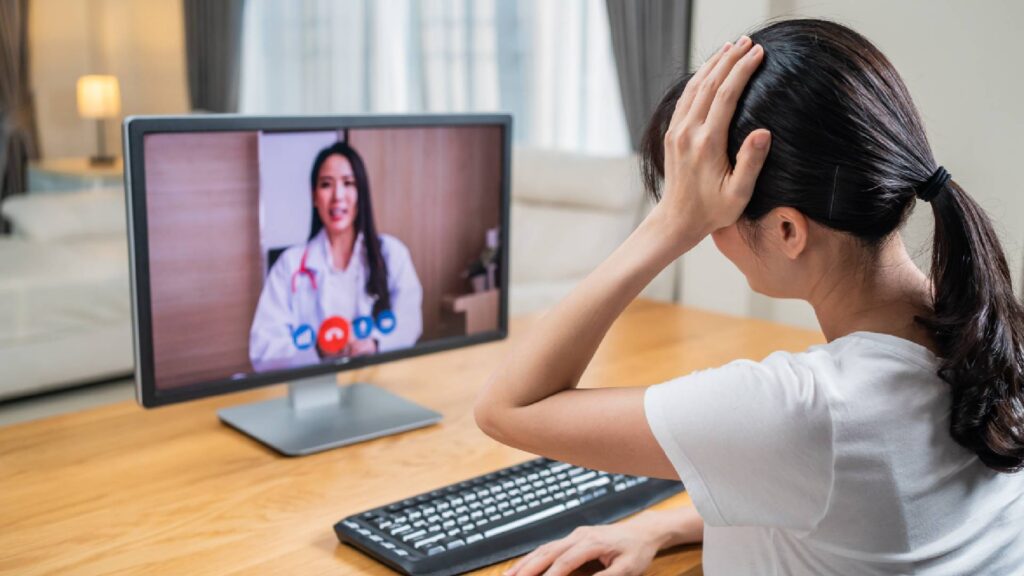
Understanding telehealth treatment for PTSD
If you live with posttraumatic stress disorder (PTSD), getting help can feel complicated. You might worry about travel, time off work, privacy, or even running into someone you know in a waiting room. Telehealth treatment for PTSD removes many of those barriers so you can focus on healing from a place that feels safe to you.
Telehealth, often called virtual therapy or online counseling, uses secure video platforms to connect you with licensed mental health professionals in real time. Decades of research show that evidence based PTSD treatments delivered by telehealth are just as effective as in person care for many people, including Veterans and trauma survivors in both urban and rural areas [1].
By choosing a structured telehealth therapy program, you give yourself access to high quality care without disrupting your entire life to get it.
How telehealth for PTSD actually works
Telehealth treatment for PTSD typically involves secure video sessions using a HIPAA compliant platform. You and your therapist see and hear each other just as you would in a traditional office visit, only you join from home or another private space.
You might use telehealth for:
- Individual PTSD therapy
- Trauma focused cognitive behavioral therapy
- Exposure based treatments
- Medication management and follow up
- Ongoing outpatient teletherapy for long term recovery
Telemental health is not experimental. It is a well established approach that predates the COVID 19 pandemic, and multiple randomized clinical trials have shown that PTSD treatments delivered by clinical video teleconferencing are clinically equivalent to in person care [2].
For you, this means you can expect:
- A scheduled time to log in
- A private, one to one session
- A clear treatment plan and homework between sessions
- Ongoing monitoring of symptoms and progress
If you need psychiatric support, you can also schedule telehealth mental health medication review appointments to discuss medications, side effects, and dosage changes without going to a physical office.
Evidence based PTSD therapies available through telehealth
Telehealth does not water down treatment. Many of the most effective PTSD therapies have been carefully studied when delivered via video. The research is very consistent: you can make real, measurable progress without being in the same room as your therapist.
Prolonged exposure (PE)
Prolonged exposure helps you gradually face trauma memories and real life situations you have been avoiding. Over time, your brain learns that the memories and triggers, while painful, are not actually dangerous.
There is strong support from multiple studies showing that PE delivered via videoconferencing is feasible, acceptable, and highly effective for PTSD, including in Veteran populations [3]. Home based PE via telehealth has produced symptom improvements that are non inferior to office based care up to 12 months after treatment [4].
If you choose PE through telehealth, you can expect to:
- Recount trauma memories in detail during sessions
- Listen to recordings between sessions
- Gradually confront avoided situations in your day to day life
- Track distress levels so you and your therapist can see change over time
Some programs also integrate peer support into PE, which has significantly increased completion rates in trials, with 87 percent of participants finishing treatment when they had structured peer support compared to 56 percent without it [5].
Cognitive processing therapy (CPT)
Cognitive processing therapy focuses on how trauma has changed the way you see yourself, other people, and the world. You work on the thoughts and beliefs that keep you stuck in guilt, shame, or fear.
Multiple randomized clinical trials have found that CPT delivered through office based or home based video sessions leads to reductions in PTSD symptoms that are comparable to in person care, with similar or sometimes better attendance and satisfaction [6].
Telehealth CPT may include:
- Identifying “stuck points” related to the trauma
- Writing impact statements about what happened
- Challenging unhelpful beliefs about responsibility, trust, safety, power, control, and intimacy
- Practicing more balanced, accurate ways of thinking
Because CPT is highly structured, it adapts well to online mental health therapy sessions, where you can share written work on screen or through secure messaging.
Trauma focused CBT and written exposure therapy
If you prefer a shorter, highly structured approach, you might be a good fit for written exposure therapy (WET) or trauma focused cognitive behavioral therapy (TF CBT). Both have promising evidence when delivered through telehealth, expanding the menu of remote options beyond PE and CPT [7].
With WET, you complete guided writing assignments about your trauma under the support of your therapist, who meets with you in brief sessions and reviews your progress. TF CBT integrates cognitive skills, coping tools, and trauma processing, and it can be especially helpful when PTSD is intertwined with anxiety or depression.
If your PTSD symptoms are strongly connected to current anxiety or mood struggles, combining trauma work with virtual cognitive behavioral therapy and telehealth therapy for depression or online anxiety treatment counseling can provide more complete support.
Behavioral activation and exposure based supports
Some programs use behavioral activation and therapeutic exposure (BATE) as an adjunct to trauma therapy. This approach helps you gradually re engage in meaningful activities that PTSD has pushed out of your life.
Early studies support BATE as a telehealth friendly intervention for PTSD [7]. You might:
- Schedule specific, manageable activities between sessions
- Practice in vivo exposures with your therapist’s guidance
- Use virtual check ins to stay accountable and adjust your plan
When you pair this kind of activation with a virtual therapy platform for recovery, you gain structure, support, and flexibility at the same time.
Why telehealth PTSD treatment is as effective as in person care
You might wonder whether talking through a screen can really match in person therapy. The evidence says yes.
Across multiple randomized controlled trials with Veterans receiving PE or CPT, telehealth treatment for PTSD has been shown to be “non inferior” to in person care, which means outcomes are statistically equivalent at the end of treatment and at follow ups up to 6 or 12 months later [1].
Researchers have repeatedly found that with telehealth PTSD care:
- Symptom reductions match those of in person therapy
- Therapeutic alliance, or the working relationship with your therapist, is just as strong
- Treatment satisfaction scores are high
- Attendance and dropout rates are comparable, and in some home based programs, dropout is actually lower [8]
A recent quality improvement study of a 4 week virtual, intensive PTSD program in a VA setting found that over 80 percent of participants completed treatment. They showed large reductions in PTSD and depressive symptoms by the end of the program, and those gains were maintained at a 1 month follow up [9].
For you, this means you do not have to choose between effective treatment and accessible treatment. With the right clinical approach and a secure platform, you can have both.
“Evidence based treatments for PTSD can be safely and effectively delivered via telehealth videoconferencing, allowing strong therapeutic relationships and achievement of therapy goals in virtual settings.”
[5]
Key benefits of choosing telehealth for PTSD
Telehealth offers more than convenience. For many people with PTSD, it directly supports recovery.
Greater safety and comfort
PTSD often involves hypervigilance, avoidance, and feeling unsafe in public spaces. Being able to attend virtual counseling services for adults from home reduces:
- Travel related triggers, such as traffic, noise, or crowded waiting rooms
- Fears about encountering people or places connected to your trauma
- Worry about being emotionally overwhelmed in public after a difficult session
When you feel physically safer, you are often more willing to fully engage in trauma processing.
Fewer logistical barriers
Telemental health, especially clinical video teleconferencing, eliminates many practical obstacles that keep people out of care, particularly in rural or underserved areas [8].
With telehealth, you can:
- Avoid long drives to specialized clinics
- Schedule sessions around work or caregiving responsibilities
- Save time and cost related to transportation and parking
- Access PTSD specialists who might not practice in your local area
If you also need medication management, telepsychiatry appointment scheduling lets you coordinate therapy and psychiatric care with less disruption to your routine.
Stronger privacy and confidentiality
Your mental health care is deeply personal. When you attend therapy online, there is no waiting room, and you control your surroundings.
To protect your confidentiality, it is important to choose hipaa compliant teletherapy services that use secure, encrypted platforms. A HIPAA compliant system safeguards your video sessions, messages, and records so you can focus on healing, not on who might access your information.
If you are concerned about privacy at home, your therapist can help you problem solve, for example:
- Using headphones so others cannot hear
- Finding a private room or even a parked car during sessions
- Using white noise or a fan outside the door
Daylight Wellness emphasizes confidential online mental health care, so your PTSD treatment remains secure and discreet.
Flexible, long term support
Healing from PTSD is rarely a straight line. You may need different levels of support at different times.
Telehealth makes it easier to:
- Start with more frequent sessions and gradually step down
- Add in virtual stress management counseling during high stress periods
- Extend your progress through outpatient teletherapy for long term recovery
- Integrate skills based care, such as an online dbt therapy program or remote therapy for emotional regulation
Because you do not have to factor in travel and time away from work, it is often easier to stay engaged over the long term.
Safety, risk management, and crisis planning in telehealth
Some people worry about what happens if they feel overwhelmed or unsafe during a virtual PTSD session. Responsible telehealth providers take safety very seriously.
Guidelines from the VA and other experts recommend that telehealth clinicians:
- Confirm your exact location at the start of each session
- Have local emergency contact numbers and your preferred emergency contact on file
- Conduct regular risk assessments for self harm or harm to others
- Create a clear crisis plan with you that fits your local area and resources
(U.S. Department of Veterans Affairs)
You should always feel comfortable asking your therapist:
- How they handle emergencies during virtual sessions
- What steps they will take if you lose connection while distressed
- How to reach them or crisis support between sessions if needed
Knowing there is a solid plan in place can make it easier to lean into difficult but important trauma work.
Telehealth PTSD treatment and co occurring conditions
PTSD rarely exists on its own. Many people also experience depression, anxiety, substance use, chronic pain, or relationship difficulties. A comprehensive telehealth plan can address these overlapping concerns.
You might work with:
- A therapist for trauma focused work and virtual behavioral health support
- A psychiatrist or nurse practitioner for telehealth mental health medication review
- A couples therapist using virtual therapy for couples counseling to repair relationship strain related to PTSD
- A skills based provider for virtual cognitive behavioral therapy or virtual stress management counseling
Some integrated protocols, such as concurrent treatment of PTSD and substance use or insomnia, are emerging in the telehealth space and show promise, although they need more research before being considered equivalent to in person care [10]. Your provider can help you weigh current evidence and tailor a plan that fits your needs and safety.
What to expect from Daylight Wellness virtual PTSD care
When you engage in telehealth treatment for PTSD through a structured program like Daylight Wellness, you can expect an approach that centers accessibility, privacy, and clinically grounded care.
Your path might include:
- A thorough intake interview by video to understand your history, symptoms, and goals
- A clear diagnosis and discussion of evidence based options that fit your situation
- Connection with online therapy with licensed professionals trained in trauma focused care
- A personalized plan that may combine trauma therapy, skills training, and, when appropriate, medication management
- Ongoing monitoring of your progress using symptom scales and your own feedback
Because Daylight Wellness operates through a secure platform, your sessions take place within a virtual therapy platform for recovery that is designed to protect your privacy and provide consistent, reliable access.
If cost is a concern, you can explore insurance covered telehealth sessions to understand how your benefits apply to virtual PTSD treatment.
Preparing for your first online PTSD session
A little preparation can help you feel more grounded and in control when you start telehealth care.
You might:
- Choose a private space where you feel reasonably safe and free from interruptions
- Use headphones to increase privacy and reduce background noise
- Test your internet connection, camera, and microphone ahead of time
- Have tissues, water, and something comforting nearby, such as a blanket or grounding object
- Write down key points you would like to share, including your main concerns and goals
If you are already dealing with anxiety or depression alongside PTSD, consider integrating online anxiety treatment counseling or telehealth therapy for depression into your plan so you have broader support as you begin trauma work.
Is telehealth PTSD treatment right for you?
Telehealth is not the only way to treat PTSD, but it is a clinically supported, accessible option that works well for many people. It might be a strong fit for you if:
- You live far from trauma specialists or in a rural area
- You have transportation, mobility, or childcare challenges
- You feel safer working from your own environment
- Your schedule makes in person visits difficult
- You value privacy and discretion in your mental health care
Evidence based PTSD treatments such as PE and CPT have been shown to work as well through videoconferencing as they do in person, with strong therapeutic relationships and sustained symptom improvements over time [11].
If you are ready to explore your options, you can start by scheduling online therapy with licensed professionals and asking about a tailored telehealth therapy program that addresses your PTSD, co occurring concerns, and long term recovery goals. With the right support, it is possible to move beyond survival and build a life that feels larger than your trauma, even when your sessions take place on a screen.