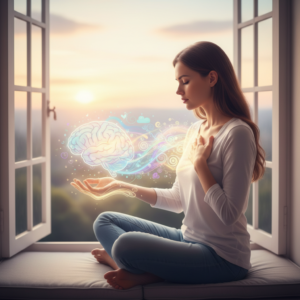

Holistic mental health therapy programs offer you an integrative path to healing that addresses your mind, body, spirit, and emotions together. By combining traditional psychotherapy with complementary practices such as yoga, art therapy, and nutrition counseling, you create a personalized journey toward lasting wellness. At Daylight Wellness, you’ll find a supportive environment where evidence-based clinical care meets natural therapies and lifestyle support. Whether you’re managing anxiety, recovering from trauma, or seeking overall balance, a holistic mental health therapy program can help you tackle root causes, build resilience, and restore your well-being.
Understanding holistic programs
Defining holistic mental health
Holistic mental health therapy programs treat you as a whole person rather than a set of symptoms. Instead of focusing solely on talk therapy or medications, they combine multiple modalities—psychotherapy, mind-body practices, creative therapies, spiritual exploration, nutrition, and complementary treatments—to foster deep healing and prevent relapse [1]. You’ll engage in therapies that relieve stress, regulate your nervous system, and strengthen coping skills while promoting physical health and emotional clarity.
The role of Daylight Wellness
At Daylight Wellness, your care team collaborates to design a program tailored to your history, challenges, and goals. Licensed clinicians, holistic practitioners, nutritionists, and mindfulness coaches work side by side in integrated behavioral health care, ensuring each aspect of your treatment plan supports the others. You’ll attend individual and group sessions, practice mind-body techniques, and receive ongoing lifestyle guidance in an atmosphere of respect and empowerment.
Exploring key benefits
Addressing root causes
By looking beyond symptoms, holistic programs help you identify and heal underlying issues—trauma, chronic stress, lifestyle imbalances—that fuel mental health struggles. Integrative approaches reduce relapse risk by tackling these root causes through therapies such as trauma-informed counseling, breathwork, and somatic work [2].
Enhancing emotional regulation
You’ll learn practical tools—mindfulness meditation, yoga, music therapy—to calm anxiety, manage mood swings, and respond to triggers with greater ease. Practices like mindfulness meditation for recovery and breathwork therapy for relaxation train your nervous system to shift from fight-or-flight to rest-and-digest, reducing chronic stress and improving clarity.
Improving physical wellness
Holistic care recognizes the mind-body connection. Techniques such as yoga therapy, massage, and nutrition counseling enhance immune function, relax tight muscles, and boost energy. In one trial, a holistic stress-management program cut anxiety and depression in adolescents by half within 30 days [3].
Fostering lifelong skills
Beyond immediate relief, holistic programs equip you with skills that sustain wellness: guided imagery, tai chi, creative expression, and self-care planning. As you internalize these practices, you’ll feel empowered to navigate life’s ups and downs and maintain progress after formal treatment ends.
Reviewing therapy modalities
Psychotherapy and counseling
- Cognitive behavioral therapy (CBT) and dialectical behavior therapy (DBT) to reframe negative thought patterns and build coping strategies
- Trauma-informed care and somatic therapy to release stored tension and resolve deep-seated emotional wounds [4]
- Group therapy for peer support and shared insight
Mind-body practices
- Yoga therapy for emotional balance, integrating movement, breath, and mindfulness [5]
- Mindfulness meditation and guided imagery to enhance self-awareness and reduce rumination [6]
- Breathwork and tai chi for nervous system regulation and grounding
Creative expressive therapies
- Art therapy to access nonverbal healing and foster self-exploration [7]
- Music therapy for mood regulation and emotional release [8]
- Recreational and equine therapy to build confidence, empathy, and retention in treatment [1]
Complementary and alternative treatments
- Massage, acupuncture, and aromatherapy for stress reduction and physical comfort [9]
- Energy balance methods such as Reiki or crystal therapy to support subtle-energy healing [10]
- Nutrition and wellness coaching to stabilize mood and support brain health [11]
Table: holistic modality overview
| Modality | Description | Primary benefit |
|---|---|---|
| CBT and DBT | Evidence-based talk therapies | Restructuring thoughts, coping skills |
| Yoga and breathwork | Movement-based mindfulness | Stress relief, emotional balance |
| Art and music therapy | Creative, expressive practices | Nonverbal healing, emotional release |
| Equine and nature therapy | Animal-assisted and outdoor experiences | Self-esteem, trauma reduction |
| Acupuncture and massage | Hands-on bodywork | Muscle relaxation, immune support |
| Nutritional counseling | Diet planning for mental health | Mood stabilization, cognitive support |
Designing your treatment plan
Intake and assessment
Your journey begins with a comprehensive evaluation of your mental health history, medical status, lifestyle factors, and goals. This intake informs a collaborative treatment blueprint that balances clinical interventions with holistic options.
Personalized modality mix
Based on your needs, your clinician will recommend a blend of therapies—for example, weekly CBT sessions, daily meditation, twice-weekly yoga therapy, and monthly equine sessions. You’ll agree on treatment milestones and regularly review progress.
Tracking and adjustments
Holistic care is dynamic. You’ll use self-report scales, wearable trackers, and therapist check-ins to monitor stress, sleep, and mood. If a modality isn’t resonating, you can pivot to alternatives such as tai chi, aromatherapy, or guided imagery.
Integrating lifestyle support
Nutrition and physical wellness
A balanced diet rich in whole foods, omega-3s, and low in processed sugars supports neurotransmitter function and boosts energy. Your program may include meal plans, cooking workshops, and exercise guidance to anchor gains in daily life [12].
Spiritual exploration
Many clients find meaning and inner peace through practices like meditation, nature therapy, or spiritual wellness counseling. You can join reflection groups, guided retreats, or mindfulness circles to deepen your connection to self and others.
Social and peer support
Group sessions foster camaraderie—sharing experiences, insights, and encouragement with peers who understand your challenges. You’ll build a supportive community that extends beyond the therapy room, reinforcing accountability and belonging.
Selecting a wellness provider
Credentials and expertise
Look for programs led by licensed clinicians, certified holistic practitioners, and specialists in modalities you value. Check for accreditations—such as those from the American Mental Health Counselors Association or the International Association for Yoga Therapists.
Insurance and cost
Many insurers cover evidence-based therapies like CBT and mindfulness when prescribed alongside medical care [13]. Complementary services—reiki, independent nutrition counseling—may require out-of-pocket payment or use of health savings accounts. Ask about sliding scales or bundled packages.
Program settings
Holistic programs run in inpatient centers, partial hospitalization (PHP), intensive outpatient (IOP), and outpatient formats. Choose a level that matches your stability, schedule, and support needs. Daylight Wellness offers IOP and outpatient tracks to blend therapy with daily life.
Anticipating therapy progress
First 30 days
You can expect initial symptom relief—reduced anxiety, improved sleep, and greater clarity—within the first month if you actively engage in sessions and practice techniques between appointments [3].
Long-term transformation
Deep change often unfolds over months. Research shows that integrative approaches combining CBT with mind-body work yield more sustainable outcomes for anxiety, depression, and trauma than conventional therapy alone [2]. As you integrate new habits, you’ll notice increased resilience, emotional regulation, and a stronger sense of purpose.
Conclusion
A holistic mental health therapy program empowers you to heal on every level—mental, physical, emotional, and spiritual. By engaging in an integrative approach at Daylight Wellness, you’ll gain tools to manage stress, recover from trauma, and live with greater balance and vitality. Explore modalities like mind body connection therapy or alternative therapy for emotional regulation to start your journey. Your path to whole-person wellness awaits.
References
- (Bamboo Health)
- (The Holistic Counseling Center)
- (Healthline)
- (somatic therapy for trauma recovery)
- (yoga therapy for emotional balance)
- (guided imagery for mental health)
- (art therapy for mental health healing)
- (music therapy for mood regulation)
- (aromatherapy for stress reduction)
- (energy balance therapy for recovery)
- (nutrition and mental wellness support)
- (Brighton Recovery Center)
- (Counseling Today)