
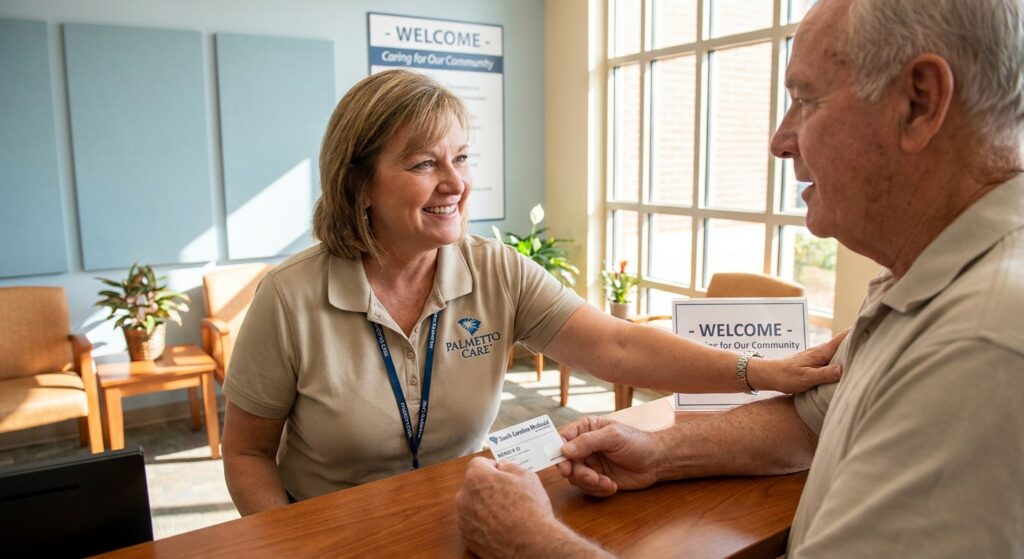
Substance Abuse Treatment That Takes Medicaid: How to Get Covered Care Fast in Piedmont, SC
You need treatment this week, not next month, and you’re staring at a Medicaid card wondering if it will actually cover the counseling your family member needs to stay alive. Maybe you have already made calls that went nowhere. Maybe someone told you Medicaid only pays for the bare minimum, or that the wait would be weeks. Substance abuse treatment that takes Medicaid does exist in Piedmont, SC. Daylight Wellness, at 29673 in Piedmont, is an outpatient program that accepts South Carolina Medicaid for individual therapy, substance abuse therapy, and substance use disorder (SUD) counseling. This guide covers what that coverage pays for, what you may owe, how fast care can start, and what to do if the paperwork gets messy.
Before anything else, a safety note. If your loved one is in danger right now, call 911. That includes an overdose, talk of suicide, or severe withdrawal signs like seizures, confusion, or seeing things that are not there. You can also call or text 988, the Suicide and Crisis Lifeline, any time. Stopping alcohol, benzodiazepines, or opioids suddenly can be medically dangerous, so if withdrawal is a worry, get medical care first. Daylight Wellness provides outpatient therapy and counseling, not detox, and the team will tell you honestly if another kind of care makes more sense as a first step.
What Will South Carolina Medicaid Actually Pay For When Your Loved One Needs Outpatient Help?
South Carolina Medicaid covers outpatient behavioral health care, and that includes counseling and therapy for substance use disorders. At Daylight Wellness in Piedmont, SC, Medicaid can be used for individual therapy, substance abuse therapy, and SUD counseling. For many members who meet the coverage requirements, their plan structure may include low or no out-of-pocket costs per visit, though this depends on their specific plan.
Medicaid is a joint federal and state program. The federal government lists substance use disorder services as part of Medicaid’s behavioral health benefits, but each state decides many of the details. That is why coverage looks different from one state to the next. A national survey of state Medicaid programs found real differences in which substance use services states cover and how they manage them. So advice from a relative in another state, or a website written for a national audience, may not match what your loved one’s South Carolina plan will pay for.
In South Carolina, the South Carolina Department of Health and Human Services (SCDHHS) runs the program. Most members get their benefits through a managed care plan, so the card in your hand may show a plan name instead of the word “Medicaid,” and that is perfectly normal. The plan still has to follow the state’s rules for covered behavioral health services, and it sets the small copay amounts, if any. South Carolina Medicaid members may have copays that range between $0 and about $3 per outpatient visit, depending on their specific managed care plan and service category. The exact amount depends on the plan, and the member handbook or member services line will confirm it.
So what does that look like for your family? When your loved one sits down with a counselor at Daylight Wellness, the visit is part of an individualized treatment plan. That plan can include one-on-one therapy, SUD counseling, an addiction recovery program, and mental health treatment for concerns that often travel with substance use, like anxiety or depression. It does not include overnight care, detox, or a residential stay. Knowing that line clearly helps you ask the right questions and avoid surprise bills.
Will Daylight Wellness Take Your Insurance, and How Can You Check Before You Even Call?
Daylight Wellness accepts South Carolina Medicaid, Ambetter, BlueCross BlueShield, Aetna, and Medicare for outpatient substance use disorder treatment. You can check your own benefits in about ten minutes by calling the member services number on the back of the insurance card. Daylight Wellness also verifies coverage during intake, so you know what is covered before the first session.
Accepting an insurer and covering every single plan that insurer sells are not always the same thing. Insurance companies offer many plan versions, and the details vary. That is why the verification step matters: it is not red tape, but the way you find out, before anyone sits in a chair, what the visit will cost your family.
If you want to check on your own first, here is a simple way to do it:
- Find the member services number on the back of the card. Medicaid managed care cards, Medicare cards, and commercial cards all list one.
- Ask whether outpatient substance use disorder counseling and individual therapy are covered under the plan.
- Ask whether prior authorization is required before the first visit.
- Ask what the copay or coinsurance is for an outpatient behavioral health visit, and whether there is a deductible to meet first.
- Write down the name of the person you spoke with, the date, and any reference number they give you.
If you are calling about an adult loved one, the plan may ask for your loved one to be on the line or to give permission before it shares details. That is a privacy rule, not a brush-off, and it helps to sit together for the call if you can. If your loved one is not ready to join, you can still call Daylight Wellness and ask general questions about how coverage works. Nobody will pressure either of you into a decision on that first call.
How Fast Can Your Loved One Actually Start Treatment on Medicaid in Piedmont?
Once you know coverage is in place, the next question is usually timing. For outpatient care, the start time may be a matter of days rather than weeks. Depending on openings and how quickly benefits are confirmed, a call made early in the week may lead to a first individualized counseling session at Daylight Wellness later that same week, though this can vary based on scheduling and administrative requirements.
The belief that Medicaid means long waits usually comes from residential programs, where beds are limited and people wait for one to open up. Outpatient care works differently. Your loved one does not need a bed; they need an appointment time, a counselor, and confirmed coverage. When those three things line up, substance abuse treatment that takes Medicaid may begin quickly.
Here is what a start process can look like. You call Daylight Wellness on a Monday with the Medicaid card nearby. The intake team gathers basic information and checks benefits. If the plan does not need prior authorization, the team can offer the next open appointment, and in some cases your loved one may be sitting with a counselor by Thursday. The exact timeline varies from family to family, because schedules and plan rules differ. Still, it shows why calling now, instead of waiting until you have every answer, gives you the best chance at a quick start.
A few things can slow it down, and you can prepare for most of them. Missing card information adds a day or two, and a plan that needs prior authorization adds some waiting while the request is reviewed. The hardest delay is often your loved one’s own hesitation. You may have seen this before: they say yes on a hard night, then pull back two days later. If you have lived through that cycle, you already know how much timing matters. A short gap between “I’ll go” and a real appointment gives that yes less time to fade.
What Will You Pay Out of Pocket With Medicaid Compared to Private Insurance?
With South Carolina Medicaid, members may have cost sharing that can range from $0 to $3 per outpatient session, depending on their plan. With commercial insurance, outpatient sessions commonly involve a $20 to $50 copay, or 10 to 20 percent coinsurance after the deductible, though this varies widely by plan. Because outpatient care happens during the day, there are no room-and-board or overnight costs.
Those ranges are typical, not guaranteed for any individual. Several things drive what your family will actually pay:
| What affects cost | Why it matters |
|---|---|
| Plan type | Medicaid, Medicare, and commercial plans set cost sharing very differently |
| Deductible | Commercial plans may require you to pay the full allowed rate until the deductible is met |
| Copay vs. coinsurance | A copay is a flat amount; coinsurance is a percentage of the allowed rate |
| Session frequency | Weekly sessions cost less over a month than twice-weekly sessions |
| Prior authorization | Skipping a required approval can leave you with a bill the plan will not pay |
Ambetter is a Health Insurance Marketplace plan, so costs depend on the plan tier your family picked. BlueCross BlueShield and Aetna plans vary widely by employer and plan design. Medicare works differently again, and the cost estimate section later in this guide explains it.
The biggest cost difference is the setting itself. Residential programs charge for a bed, meals, and round-the-clock staff. Outpatient care at Daylight Wellness does not carry those costs, because your loved one sleeps at home. That does not make outpatient care the right fit for every person, but when it is the right fit, cost is rarely the thing that should stand in the way, especially with Medicaid.
Why Outpatient Care Is Not the “Less Serious” Choice You May Have Been Told It Is
Lower cost can make some families wonder if outpatient care is somehow a lesser option. It is not. Outpatient treatment uses the same kinds of evidence-based approaches found at higher levels of care, like cognitive behavioral therapy (CBT), motivational interviewing, and relapse prevention. The difference is how many hours per week and where care happens, not whether the care is real.
Addiction medicine uses a framework called the ASAM Criteria, from the American Society of Addiction Medicine, to match people with the right level of care. Outpatient care is one level on that range. The goal is not to pick the most intense option but to match the care to what the person actually needs. For some people, especially those who are medically stable and have a safe place to live, outpatient counseling may be a fitting place to start or to continue. Daylight Wellness also offers outpatient aftercare, so someone finishing a higher level of care elsewhere can keep going with counseling close to home.
You may be carrying a heavy fear right now: we tried treatment before, and they relapsed within weeks of coming home. That fear makes sense, and it deserves an honest answer. Substance use disorder is a chronic condition, and relapse can be part of its course. It does not prove that treatment is pointless or that your loved one is beyond help. One reason people struggle after a residential stay is the sudden jump back into real life, with all its old triggers, stress, and people. Outpatient care happens right inside that real life. Your loved one practices new skills on Tuesday and uses them on Wednesday, at home, at work, and in the same places where the old patterns live. No program can guarantee a particular result, and individual responses to treatment vary, but that daily practice is a real strength of outpatient care.
At Daylight Wellness, counseling follows an individualized treatment plan, not an assembly-line program. The patient-centered approach means the plan grows from your loved one’s history, their goals, and any mental health disorders alongside the substance use disorder. It is also fair to ask about the license and training of the counselor your loved one will see, and a good program welcomes that question.
What Happens If Their Medicaid Lapsed or the Plan Wants Prior Authorization?
Even with the right program in mind, paperwork can get in the way. A lapse or an authorization requirement usually slows things down, but it rarely has to stop them. Coverage may be restored by renewing or reapplying through SCDHHS. If a plan needs prior authorization, Daylight Wellness can work with the managed care organization to request it. Please do not wait to call because the coverage feels uncertain.
Lapses are common, and they are often about paperwork, not eligibility. Since states went back to yearly Medicaid renewals in 2023, many people have lost coverage because a renewal form got lost in the mail or went to an old address. If your loved one’s card stopped working, start by calling SCDHHS or the plan to learn why. If the problem is a missed renewal, fixing it may be simpler than starting over. For people who are between coverage, federal funds like the Substance Abuse Prevention and Treatment Block Grant help states pay for treatment services for people without insurance, so it is worth asking what options exist while coverage is being restored.
Prior authorization means the plan wants to review and approve a service before it pays. It can feel like one more wall when you’re already worn out, but you do not have to handle it alone. The Daylight Wellness intake team can coordinate with your managed care organization to request authorization and keep you informed as it moves.
This is why calling early matters, even with loose ends. Every day you spend trying to solve the coverage puzzle alone is a day your loved one is not in care. When you call Daylight Wellness with the problem still open, the team can often work on verification and next steps at the same time. If anything about your loved one’s health feels urgent while you sort out coverage, get medical care right away, because coverage questions should never delay emergency help.
Treatment That Fits Around Your Loved One’s Life, Not the Other Way Around
Once coverage and timing are settled, many families worry about what treatment will do to daily life. Outpatient care lets your loved one keep living at home, going to work or school, and caring for their family while getting structured support. Daylight Wellness builds each treatment plan around the person’s schedule, goals, and life, not a one-size-fits-all program.
This matters more than it may seem at first. Many people avoid treatment because they are afraid of losing a job, falling behind in school, or being away from their kids, and when that fear wins, they do not go at all. An outpatient plan with scheduled sessions removes one of the biggest reasons to say no. Your loved one can keep the paycheck and the routine while still showing up for real work on their recovery. Their health information is also protected by federal privacy law, so an employer does not get treatment details simply because your loved one is in counseling.
The individualized approach at Daylight Wellness looks at the whole person. For many people, substance use and mental health concerns are tangled together: anxiety makes drinking feel like relief, and depression makes pills feel like the only way to get through a day. Because Daylight Wellness treats mental health disorders, substance use disorder, and addiction under one roof, your loved one’s counselor can look at what sits underneath the substance use instead of treating it as a separate problem.
The goal is bigger than stopping a substance. Daylight Wellness is built around freedom from mental health and addiction challenges, and around the idea of not just existing but enjoying life. For your family, that can look like ordinary things you have missed: a dinner that ends without a fight, a phone call that is not a crisis, someone you love who laughs again. Those changes take time, and every person moves at their own pace, but they start with a plan that fits the life your loved one actually has.
Your Real Cost Estimate: What Substance Abuse Treatment That Takes Medicaid Costs in Piedmont, SC
To make all of this concrete, here is what a short stretch of care might cost. For eight weeks of weekly outpatient counseling, a family using South Carolina Medicaid may have total out-of-pocket costs that can range from $0 to about $24, though the exact amount depends on their specific plan. Commercial plans commonly involve costs between $160 and $400 in copays over the same eight weeks, though this varies based on plan design and deductible status. Medicare costs depend on whether your loved one has Original Medicare or a Medicare Advantage plan.
Here is a usable estimate based on eight weekly sessions:
| Coverage type | Typical cost per session | Estimated total for 8 sessions |
|---|---|---|
| South Carolina Medicaid | About $0 to $3, depending on plan | About $0 to $24 |
| Original Medicare (Part B) | Generally 20% of the Medicare-approved amount after the Part B deductible | Varies; supplemental coverage may pay some or all of the 20% |
| Medicare Advantage | Set by the plan; some plans charge $0 for outpatient behavioral health | Varies by plan |
| Commercial (Ambetter, BCBS, Aetna) | $20 to $50 copay, or 10% to 20% coinsurance after deductible | About $160 to $400 in copays; coinsurance depends on the allowed rate and deductible |
These are planning ranges, not quotes. Your loved one’s actual cost will depend on the plan, the deductible, how often sessions happen, and whether prior authorization applies. Daylight Wellness confirms the real numbers during intake verification, before the first session.
To build your own estimate, take three numbers from your member services call: the per-visit copay or coinsurance, how much of the deductible is left, and whether authorization is needed. Multiply the per-visit cost by the number of sessions you expect. For commercial plans, add any remaining deductible on top. For most families on Medicaid, the math ends up being very small, so the bigger question is not “can we afford this?” but “how soon can we start?”
Questions Families Ask Before They Call Daylight Wellness
Does South Carolina Medicaid cover outpatient substance abuse counseling?
Yes. South Carolina Medicaid covers outpatient behavioral health and substance use disorder counseling. For many members, cost sharing may range from about $0 to $3 per session, depending on their managed care plan. Daylight Wellness in Piedmont, SC, accepts South Carolina Medicaid for individual therapy, substance abuse therapy, and SUD counseling and confirms each person’s benefits during intake.
How long does it take to start treatment at Daylight Wellness with Medicaid?
Outpatient care may start within days in some cases. Depending on scheduling and insurance verification, a family who calls early in the week may be able to schedule their loved one for individualized counseling later that same week. Prior authorization or missing card details can add time, which is why calling sooner helps.
What if the Medicaid plan requires prior authorization for substance abuse treatment?
Daylight Wellness can coordinate with your loved one’s managed care organization to request authorization and keep you informed throughout the process. Authorization adds a review step, which may delay the start of care, so it’s helpful to call even if you are unsure whether authorization applies.
Can my loved one keep working and living at home during outpatient treatment?
Yes. Outpatient care lets your loved one keep their job, family responsibilities, and daily routine while attending scheduled counseling sessions. Daylight Wellness builds the treatment plan around their schedule and goals, so treatment fits into real life instead of replacing it.
Which insurance plans does Daylight Wellness accept besides Medicaid?
Daylight Wellness accepts South Carolina Medicaid, Ambetter, BlueCross BlueShield, Aetna, and Medicare for outpatient substance use disorder treatment. Because plan details vary, the intake team verifies your loved one’s specific plan so you know what is covered and what you may owe.
What should we bring to verify Medicaid coverage before the first session?
Bring the Medicaid card, a photo ID, and any managed care plan information you have. Daylight Wellness verifies benefits during intake, so you will know what is covered before the first session. If your loved one is an adult, having them nearby helps, since plans may need their permission to share details.
Call Daylight Wellness in Piedmont today to verify your loved one’s South Carolina Medicaid or insurance coverage and schedule their first outpatient counseling session this week. Before you dial, do one small thing that saves more time than anything else in this guide: put the insurance card and your loved one in the same room. With the card in hand and your loved one able to give permission on the spot, verification may happen in a single call instead of several. That can turn a hard night’s “I’ll go” into an appointment on the calendar before it fades.
Start Your Recovery With Coverage You Already Have
If you’re ready to take the next step but worried about whether your Medicaid will work, you’re not alone in that concern. Daylight Wellness in Piedmont, SC works with individuals navigating Medicaid coverage for substance abuse treatment every day. A quick call can answer your coverage questions and help you understand what your path forward looks like.
Individual experiences with treatment vary, and no program can guarantee particular results or outcomes. Substance use disorder is a chronic condition, and response to care differs from person to person.